
Tennis courts can be designed in a variety of ways, and the surface you choose plays a significant role in the overall playing experience. Different tennis court surfaces do not only look different but also influence ball bounce, speed, and the style of play. For clubs, schools, sports facilities, and even private homeowners, choosing the right surface is essential to ensure durability, performance, and ease of maintenance.
Over the years, several types of tennis court surfaces have become popular across the world. Traditional options such as clay, grass, and hard courts are widely recognised, while modern solutions like resin bound surfacing are increasingly being considered due to their durability, drainage capability, and low maintenance requirements.
Understanding the characteristics of each tennis court surface will help you make the right decision when planning a new court or upgrading an existing one.
Clay Courts
Clay courts are one of the most traditional tennis court surfaces and are commonly used in many parts of Europe and South America. These courts are made from crushed shale, brick, or stone, which creates a soft surface that produces a higher and slower ball bounce compared to other types of courts.
Because the ball slows down after hitting the ground, rallies on clay courts tend to last longer. This makes them particularly suitable for baseline players, who prefer to stay near the back of the court and focus on long exchanges and strategic shot placement.
Clay courts also allow players to slide while reaching for the ball, which can help with movement and balance during rallies. However, while they provide a unique playing experience, clay courts require regular maintenance to remain in good condition. They need to be watered frequently, brushed to maintain an even surface, and occasionally rolled to keep the material compact.
Due to these maintenance demands, clay courts are more commonly found in professional clubs and facilities that can support the upkeep required to maintain the surface properly.
Grass Courts
Grass courts are among the oldest types of tennis courts and are perhaps most famously associated with the Wimbledon Championships, one of the most prestigious tennis tournaments in the world. Grass courts offer a fast playing surface with a low bounce, making them ideal for players who favour quick reactions and aggressive play styles.
Because of the fast pace of the game on grass, players often rely on powerful serves and quick volleys to win points. The ball tends to skid and move quickly across the surface, making matches exciting and dynamic.
Despite their classic appearance and historic importance in the sport, grass courts are known for their high maintenance requirements. They must be regularly mowed, watered, and carefully managed to maintain the quality of the playing surface. Weather conditions can also affect the grass, which means maintaining consistent playing conditions can be challenging.
For this reason, many sports facilities and private tennis courts choose alternative surfaces that require less upkeep while still providing a good playing experience.
Hard Courts
Hard courts are one of the most widely used tennis court surfaces across the world. These courts are typically constructed using a solid base made from concrete or asphalt, which is then covered with an acrylic surface layer. This coating creates a smooth and durable playing surface that offers consistent performance.
Hard courts are known for providing a balanced style of play, with a medium-paced bounce that suits players of all abilities. Unlike clay or grass courts, the ball behaves more predictably on a hard surface, making it easier for players to develop their technique and improve their skills.
Another major advantage of hard courts is their durability and relatively low maintenance requirements. While they still require occasional cleaning and resurfacing, they do not demand the same level of daily care as clay or grass courts.
Because of their reliability and practicality, hard courts are commonly used in public parks, schools, sports clubs, and professional tournaments around the world.
Resin Bound Surfacing
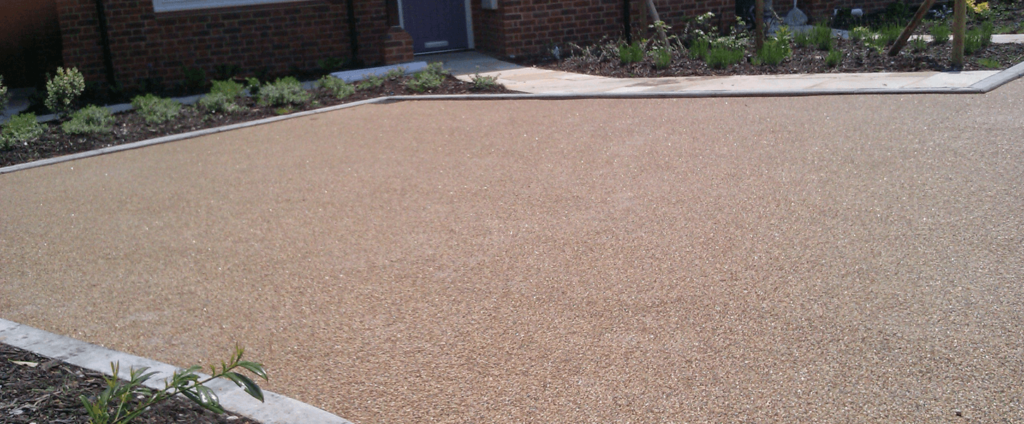
In recent years, resin bound surfacing has become an increasingly popular option for modern sports facilities, including tennis courts. This type of surface is created by mixing natural aggregates such as stone with a clear resin binder. The mixture is then applied to the surface to create a smooth, strong, and permeable finish.
One of the key advantages of resin bound surfacing is its excellent drainage properties. The permeable nature of the material allows water to drain through the surface, reducing the risk of puddles and water accumulation after rain. This means the court can often be used sooner after wet weather compared to traditional surfaces.
Resin bound surfacing is also known for its long-lasting durability and low maintenance requirements. Once installed, the surface remains stable and resistant to cracks or movement. This makes it a practical choice for facilities looking for a long-term solution.
Another benefit of resin bound surfacing is its visual appeal. The material can be customised using different colours and aggregates, allowing courts to be designed to match surrounding environments or specific design preferences.
Because of these advantages, resin bound surfacing is often selected for modern sports facilities, schools, and residential courts that require a combination of durability, safety, and aesthetic appeal.
Choosing the Right Tennis Court Surface
When deciding which tennis court surface is best for your facility, there are several important factors to consider. These include the level of play, maintenance requirements, budget, and how frequently the court will be used.
Clay courts offer a slower game and are ideal for strategic baseline play but require frequent maintenance. Grass courts provide a fast and traditional playing experience but demand constant care and attention. Hard courts offer a reliable and balanced playing surface that suits players of all levels and requires moderate maintenance.
Resin bound surfacing provides a modern alternative that combines durability, effective drainage, and a visually appealing finish. For many facilities, it offers a practical solution that reduces maintenance while still delivering a high-quality playing experience.
By understanding the characteristics of each surface type, you can choose the tennis court design that best suits your needs and ensures a long-lasting and enjoyable playing environment.
Contact Us
If you would like more information about resin bound surfacing or need professional advice for your tennis court project, please contact our team today and we will be happy to assist you.
